The history of the Brimo de Laroussilhe gallery begins in Constantinople, where the Brimo family, originally from Aleppo and of Armenian descent, settled after passing through Damascus. Nicolas Brimo (fig. 1), like his four brothers, received his education at a school run by French-speaking Maronites brothers in Constantinople. Following the pogroms that began in the 1890s, life and business became extremely challenging for non-Ottomans, prompting the Brimo parents to urge their sons to seek their fortunes abroad. Antoine, the eldest, made the most obvious choice: Paris. The second brother chose Kingston in Jamaica; the third chose the Philippines, where he would later be joined by Joseph, the youngest of the brothers.
Nicolas arrived in Paris shortly after 1900. He then spent some time with his brother Elias in Manila before returning to Paris, where he settled permanently. His brother Antoine was already an established dealer specialized in Far Eastern art in the rue Lafitte, a popular district for antique and painting dealers.
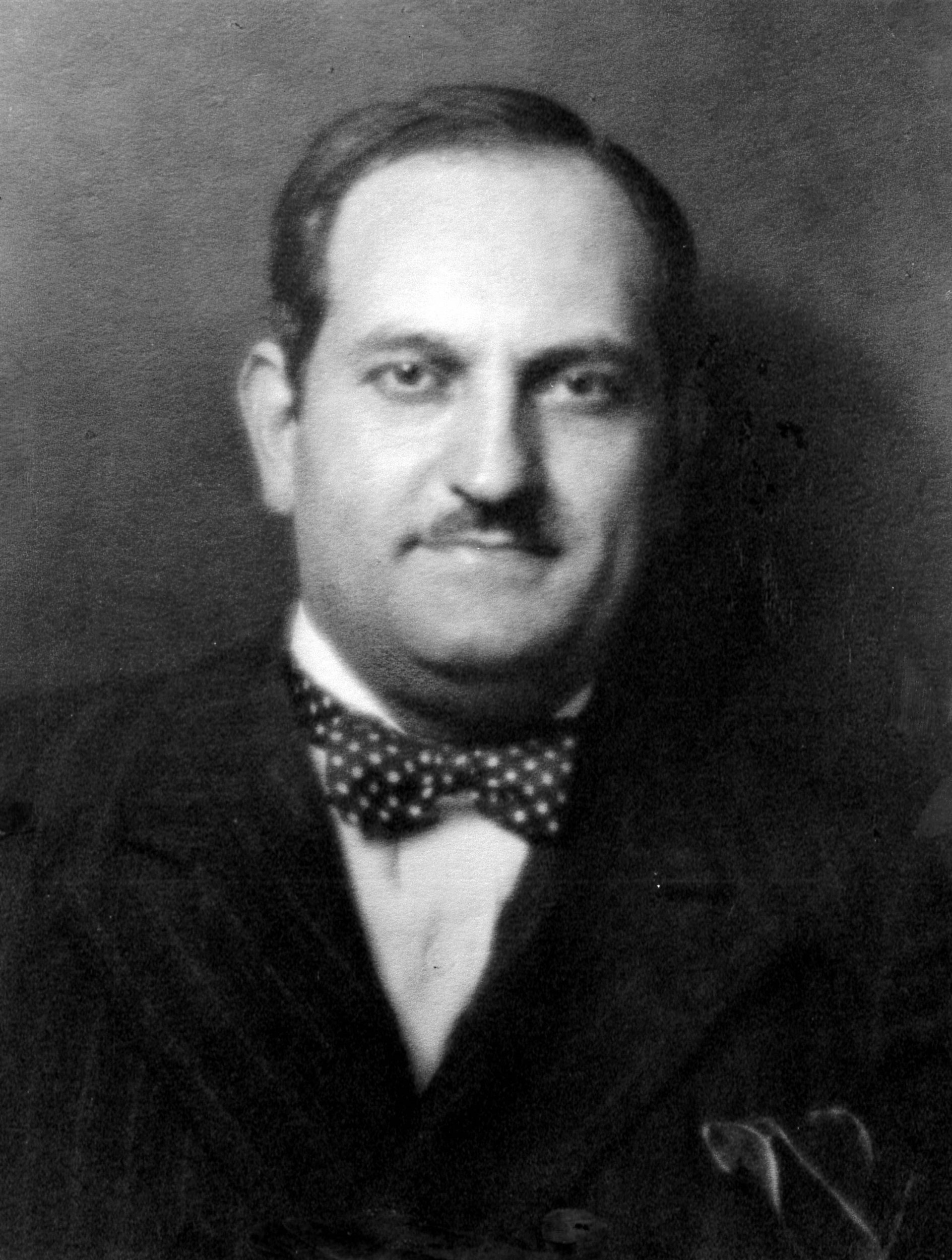
Fig. 1
Portrait of Nicolas Brimo (1887–1953), undated.
Archives of Brimo family
In 1906, Nicolas married Marie-Thérèse de Laroussilhe and, in 1908, he opens his first shop, next to his brother’s Antoine.
Initially named the Lafayette Art Gallery, Nicolas Brimo’s gallery made no secret of its international ambitions. However, in its early years, the shop seemed to resemble a curiosity-filled bric-à-brac shop more than a true art gallery. From 1911 onwards, however, Nicolas Brimo appears to have turned more seriously towards medieval art. He wrote to introduce himself and offer his services to major museums such as the South Kensington Museum in London, the Kaiser Friedrich Museum in Berlin, or the Metropolitan Museum in New York (fig. 2).
It was during this period that he also made his first sales of medieval artworks to major American collectors such as John Pierpont Morgan. Nicolas, very conscious of his status as a recent emigrant, also began at this time a form of association with a partner very “as it should be”, Henri François Daguerre. The latter, who bore the title of Marquis de Saint Lever, served for many years as prête-nom for Nicolas to sell to the greatest American collectors, among them Henry Walters in Baltimore.
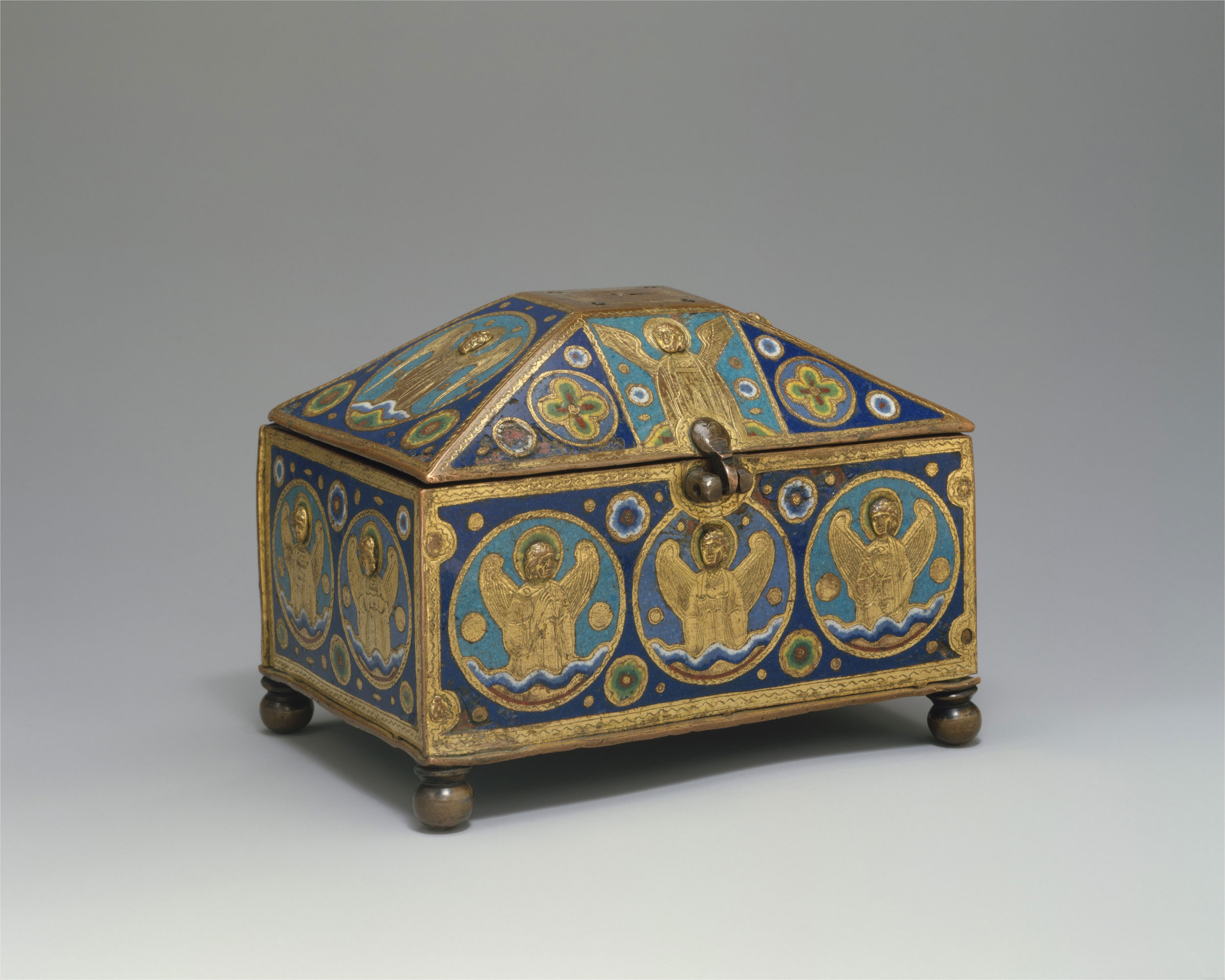
Fig. 2
Chrismatory
Limoges, circa 1200–1220.
Acquired by J. Pierpont Morgan from Nicolas Brimo in 1911.
New York, The Metropolitan Museum of Art
Nicolas Brimo was part of a group of Parisian dealers who were sometimes referred to as the “bande noire”. These dealers were mainly Jewish and Armenian immigrants who populated the rue Lafitte district near the Hôtel Drouot. Many of them formed a close network of privileged confederates, with whom Brimo did business for many years, including his cousin Kirkor Minassian, Joseph Altounian, Jacques Bacri, Dikran Kelekian and Joseph Brummer.
Perhaps it was the family diaspora that incited Nicolas to develop an extensive international network. From the very beginning, he travelled widely in search of works of art, notably to Spain, Italy and Germany, and even as far as Crimea.
In 1917, Nicolas Brimo received a letter from the Ministry of the Interior revoking his right to travel abroad, because he did not have a French passport. Until then, Nicolas had chosen to remain stateless rather than accept Ottoman citizenship. He would later apply for French nationality, which he would only obtain after a decade. This posed an additional legal difficulty because a non-national could not officially direct a company. For this reason, in the early 1920s he transferred 30% of the business to his young brother-in-law, Lucien de Laroussilhe, who will officially manage the company under his name.
This also entails the gradual renaming of the Lafayette Art Gallery to Brimo de Laroussilhe, a name that Nicolas considers as more aristocratic and French, which he believes advantageous for business. This transition in name is reflected in the 1920s letterhead (fig. 3).
If medieval art constitutes the specialty of the Brimo de Laroussilhe gallery, it also focuses on many other fields such as Archaeology, Primitive art, Seventeenth-century furniture, Old Masters or even Islamic art.
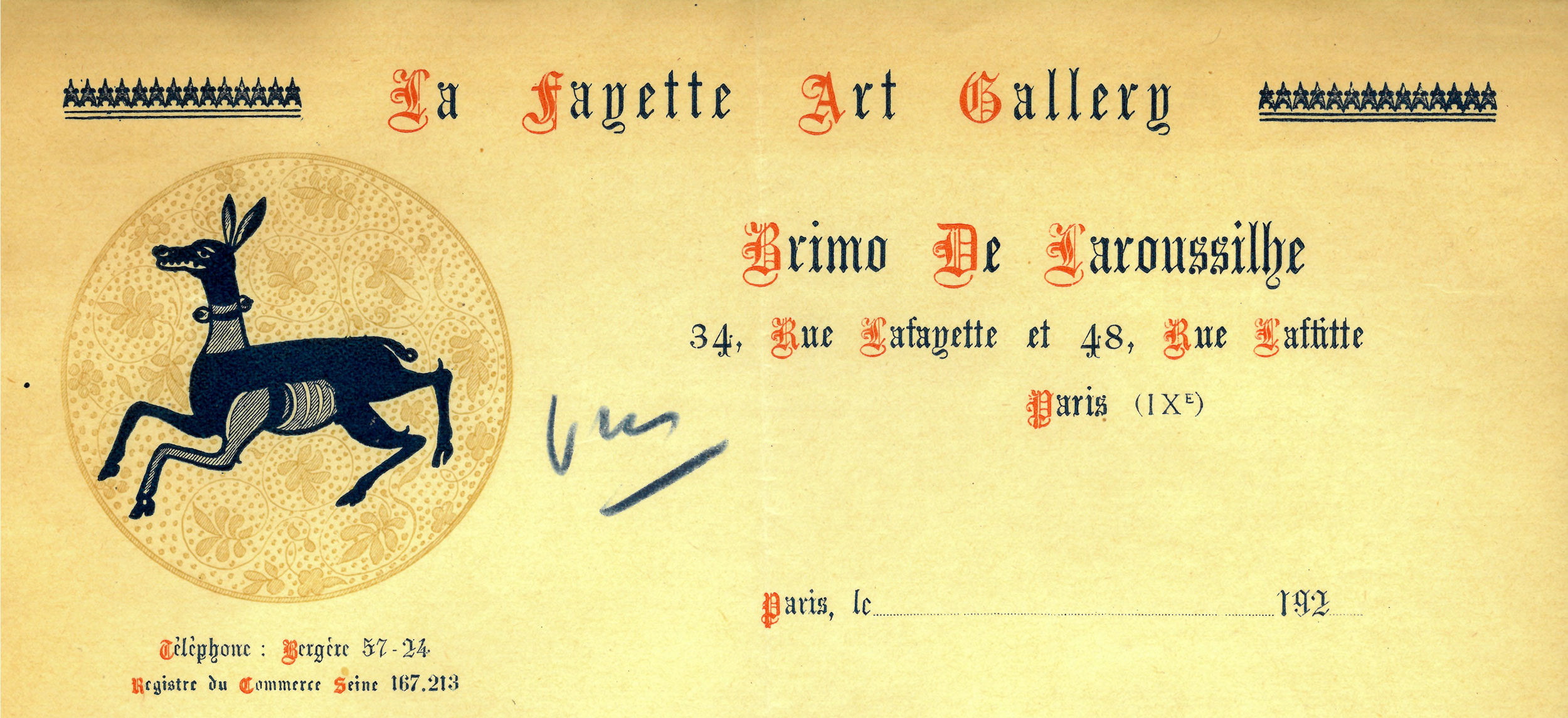
Fig. 3
Letterhead of the gallery in the 1920s.
Brimo de Laroussilhe Archives
The 1920s are the first years of prosperity for the gallery. Henry Walters, without knowing it, since he deals through Daguerre, is undoubtedly one of the best clients. A photograph preserved in the gallery’s archives shows a display window of medieval objects from Brimo de Laroussilhe, presenting at least three works sold at that time to Henry Walters through the intermediary of Daguerre (fig. 4).
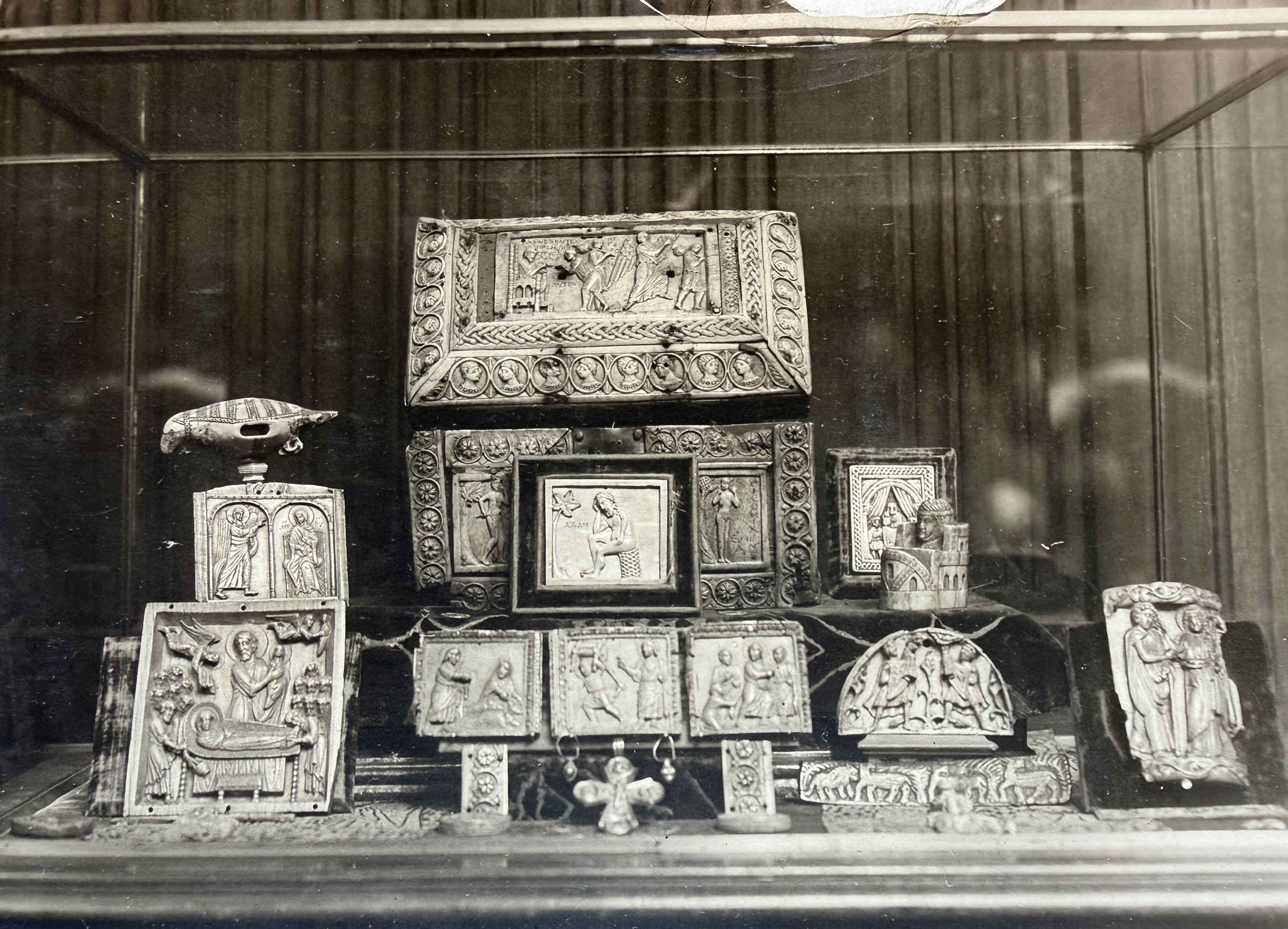
Fig.4
Display window of medieval ivories at Brimo de Laroussilhe, circa 1925.
Brimo de Laroussilhe archives
The plaque of the Suffering Adam (Byzantium, 10th-11th century), the Ascension plaque (Byzantium [Ottonian copy?], circa 1000), the semi-circular plaque depicting the Sacrifice of Cain and Abel (France or England, first half of the 12th century), as well as the chess piece (Spain, 12th century), were acquired by Henry Walters in 1926. Also recognizable are the three fragments of a diptych plaque acquired by the Musée du Louvre, likewise in 1926. The walrus-ivory bird (Spain, 10th–11th century), after passing through various hands, joined the collections of the Metropolitan Museum of Art more recently.
At the beginning of the 1930s, just before the 1929 crisis hit the European art market, the Brimo de Laroussilhe gallery was prospering. Business was thriving, notably thanks to the numerous dealings carried out with fellow dealers, both in Paris and abroad. Among the regular business partners, one may cite Bacri, Altounian, and Ratton of course, but also Duveen, Seligmann, Joseph Brummer, Demotte, Drey, etc.
During this period, the gallery also counted among its clients important collectors such as Adolphe Stoclet in Brussels who purchased the remarkable Byzantine paten now preserved in the Musée du Louvre (fig. 5), or François Baverey in Lyon who acquired the very beautiful thirteenth-century Virgin, now preserved in the Musée de Cluny (fig. 6).
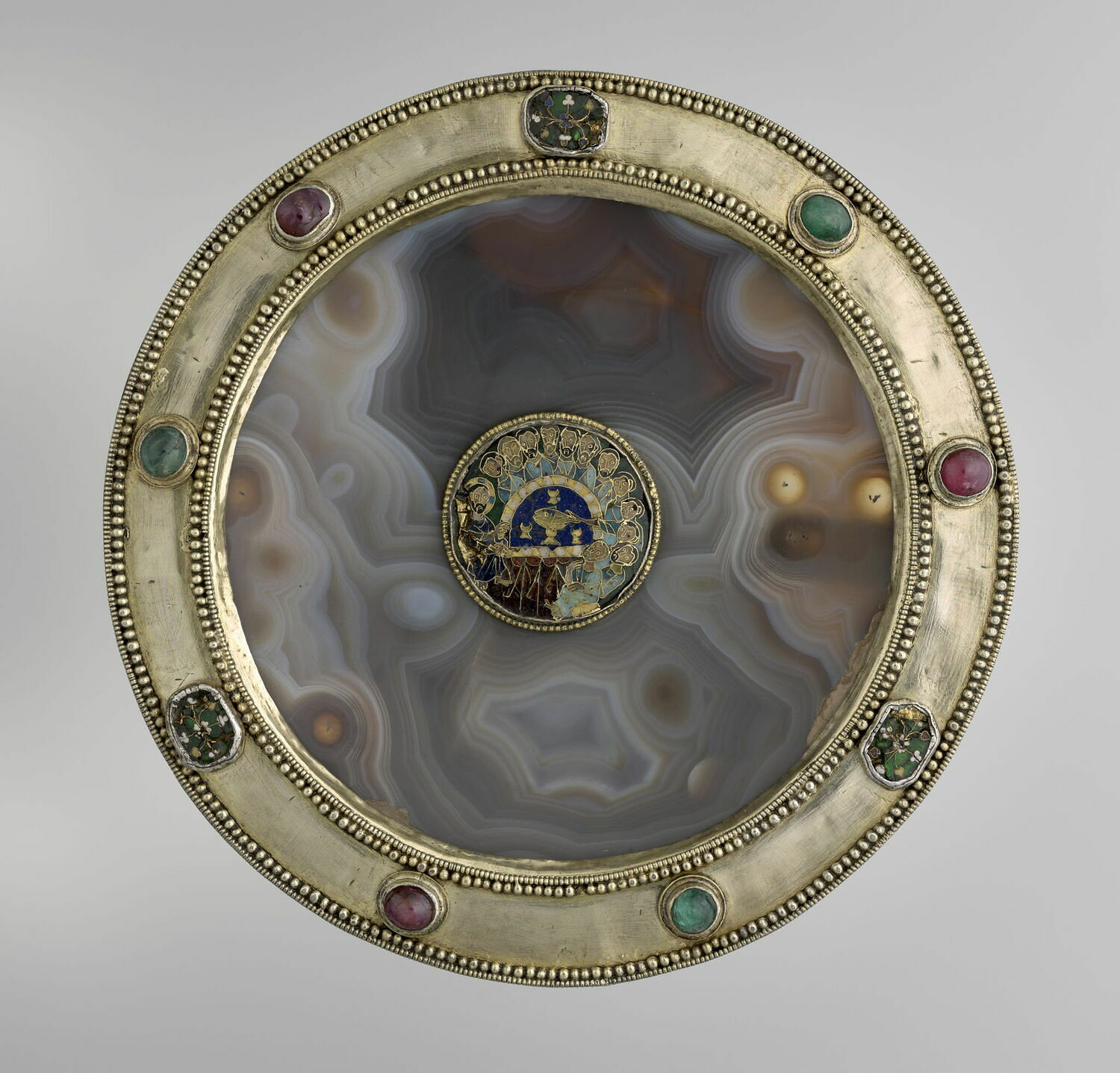
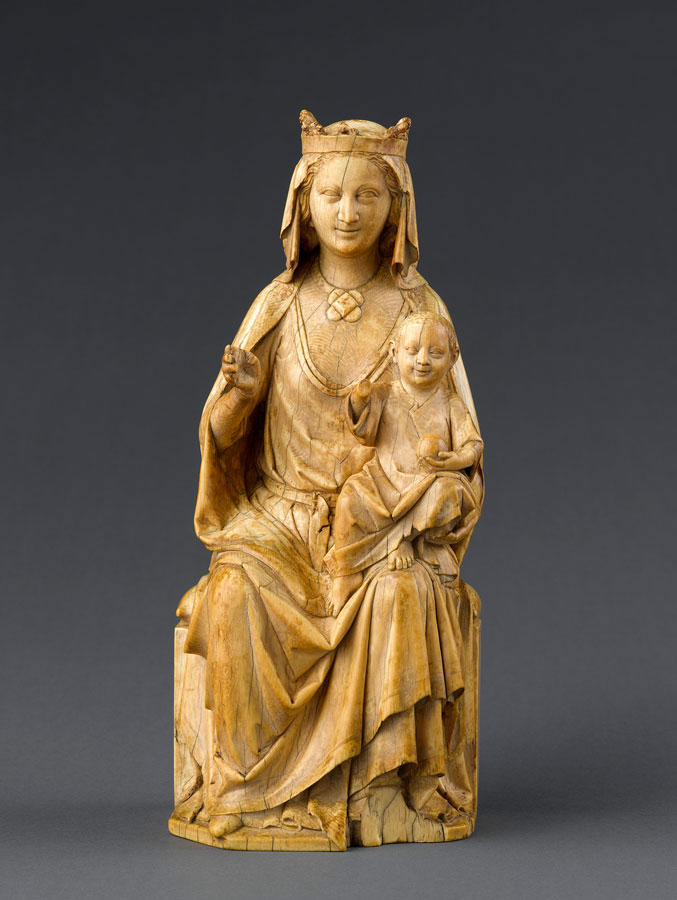
Fig. 5
Paten
Constantinople, end of the 9th–beginning of the 10th century.
Acquired by Adolphe Stoclet from Brimo de Laroussilhe in 1930.
Paris, musée du Louvre
Fig. 6
Enthroned Virgin and Child
Paris, circa 1240–1250.
Acquired by François Baverey from Brimo de Laroussilhe in 1934.
Paris, musée de Cluny – musée national du Moyen Âge
At the same time, the gallery works with museums, particularly French ones. For example, the gallery sold the beautiful Virgin of Saint-Flour, dating from the second half of the twelfth century, to the Musée de Lyon in 1934 (fig. 7).
Nicolas Brimo also achieves, during this period, a masterstroke by acquiring several important pieces from the former Basilewsky collection, which belonged to the Hermitage Museum and were discreetly sold by the Soviets at the end of the 1920s. Among these artworks figures notably the armilla (pauldron) of Frederick II, which the gallery sold to the Louvre, also in 1934 (fig. 8).
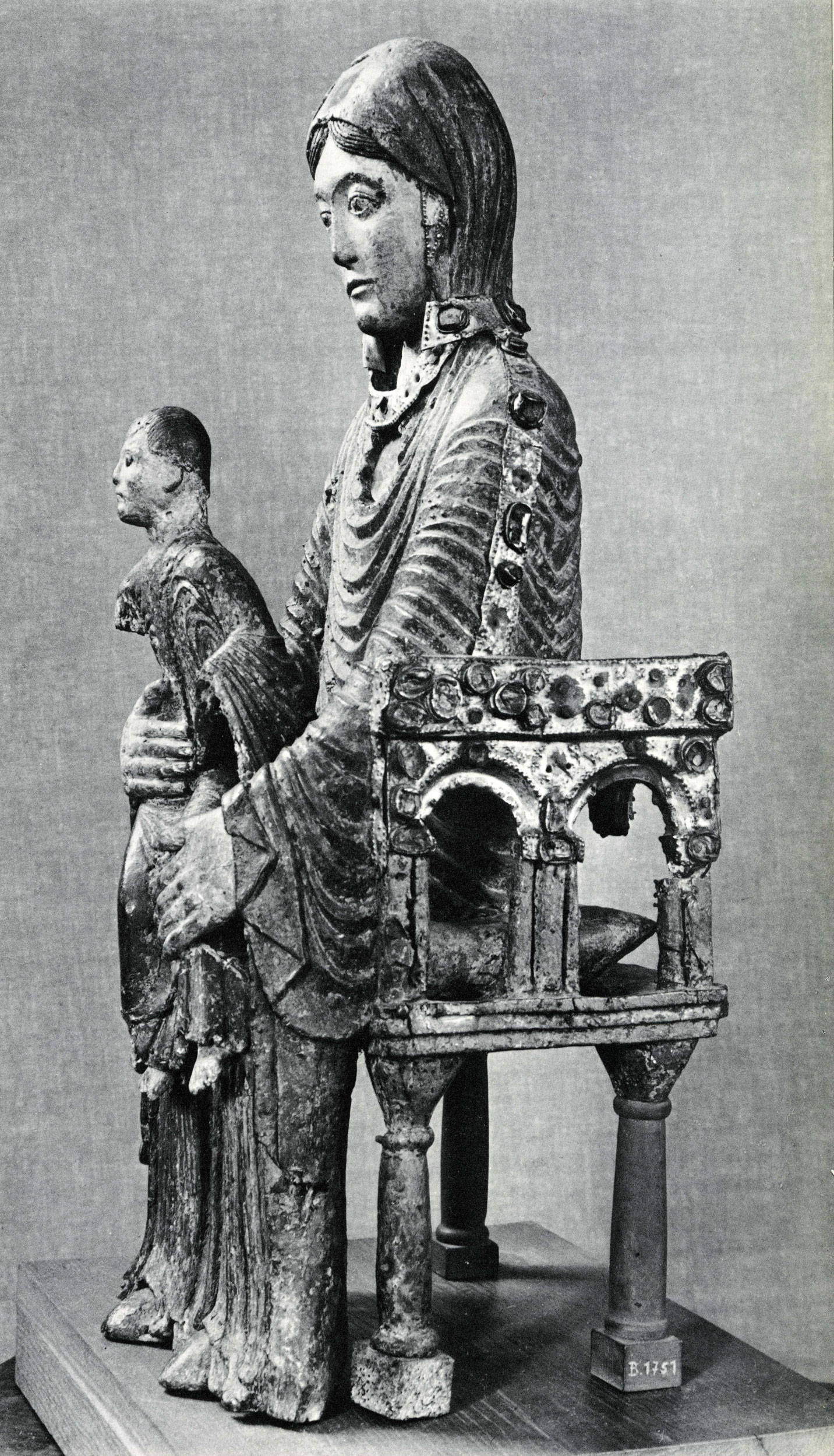
Fig. 7
Virgin in Majesty, known as the Saint-Flour Madonna
Auvergne, second half of the 12th century.
Acquired by the Musée des Beaux-Arts de Lyon in 1934.
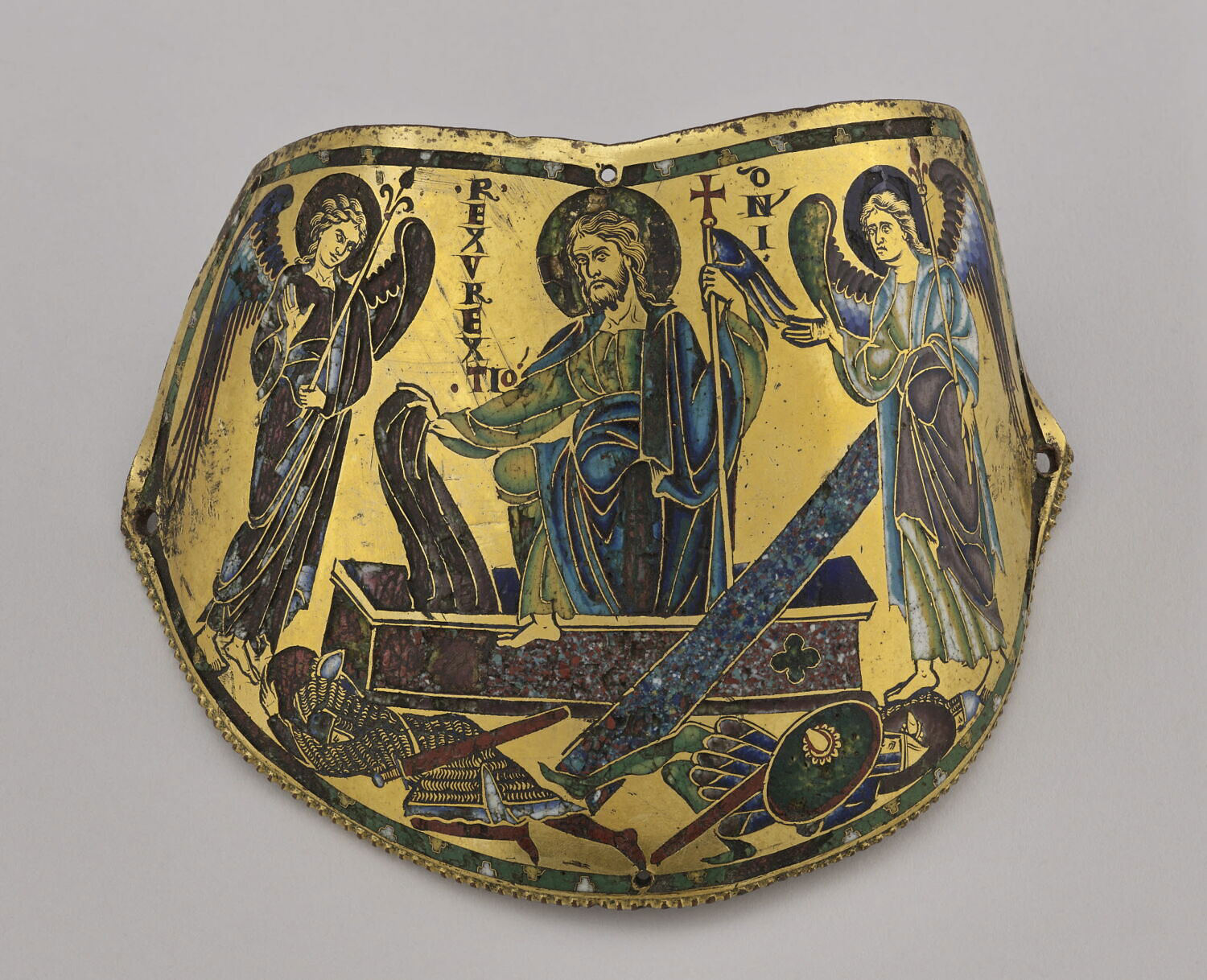
Fig. 8
Armilla (pauldron) : Resurrection of Christ
Meuse-Rhin area, circa1170–1180.
The work from the former Basilewsky collection is sold to the gallery by the Soviets passing through a Dutch company.
The gallery then sold this piece to the Society of the Amis du Louvre in 1934.
Still during this period, Nicolas’s son, René Brimo spent two years studying at Harvard after graduating from the École du Louvre and from the Institut d’Art et d’Archéologie. There, he dedicated himself to the study of the evolution of taste within American collections, a subject that resulted in a doctoral thesis which he obtained in Paris in 1938. During his studies in the United States, as well as during his studies in France, René was already deeply involved in the gallery which he was, quite evidently, destined to take over one day. At a time when the art market was essentially a world of connoisseurs whose only school had always been the Hôtel Drouot, the figure of René Brimo, antique dealer and scholar, was a very remarkable exception.
On June 14th, 1940, the day the Germans entered Paris, Lucien de Laroussilhe married Elza Shidlof, the daughter of the Viennese antique dealer Leo Schidlof. Though a Jew herself, Elza succeeded in obtaining an Aryan German passport and thus took nominal charge of the business during the Occupation, avoiding any measures of confiscation.
Thanks to his relations with the Maronite brothers, Nicolas Brimo was able to obtain certificates attesting to the non-Jewishness of Brimo’s family members. However, he leaves Paris to settle in the Free Zone, first in Auvergne and then in the South of France.
Under the direction of Elza, who speaks German fluently, the gallery remains open throughout the entire war period. During this wartime period, business prospered. The Nazis, while their plundering all the great Jewish collections and the stocks of all Jewish dealers, also buy without restraint. Numerous sales are then made to German museums, including the museum of Linz. It is no doubt the period for which the archives of the gallery are at once the most disturbing and also the most historically significant.
The business was doing so well that Brimo would later be questioned by the Americans and prosecuted for war profiteering after the war. The judgment is ultimately rendered in favor of the Brimos’. Their defense essentially rests on their claim that they never collaborated. The gallery certainly remains open, but they also were looted of a certain number of artworks in partnership. Most importantly, they affirm that, during this period, they continued to work for their partners, who were no longer able to conduct business themselves. The archives show, indeed, that a separate sales register was kept throughout this entire period, recording payments made to the various partners of the gallery who had been plundered by the Nazis, such as the Bacris and the Seligmanns.
The postwar period is a time for which the gallery’s archives become sparser. One might suppose that the written word began to lose ground as the use of cable and telephone allowed for exchanges that were undoubtedly more rapid, but from which history could not benefit. Moreover, the death of René, on November 24th, 1948, at the age of 37 was undoubtedly a tragedy from which Nicolas Brimo never fully recovered. He, in turn, died in 1953 at the age of 66.
After Nicolas Brimo passed away, Lucien de Laroussilhe truly took over the gallery’s management. The second son of Nicolas Brimo, Albert, remained the majority partner in the business but he pursued his career as an eminent law professor at the university, and antiquities were not his field of preference.
The gallery, run by Elza with Lucien, continued to prosper but the time had changed and Lucien no longer maintained the same international network as Nicolas Brimo. While the gallery remained located in the historic mansion on rue Jouffroy, a branch also opened at 7 quai Voltaire, across from the Louvre.
The role of Elza de Laroussilhe was never highlighted, as was often the case for women at that time. Nevertheless, daughter of a major antiquarian in Vienna who had later settled in England, Elza had attended the École du Louvre before marrying Lucien and she spent her entire life running the gallery alongside her husband.
During these decades, the archives of the gallery are much less complete than for earlier periods. Apart from account books and invoices, a very small part of correspondence has been preserved, which makes this period more difficult to apprehend.
Despite the lack of complete documentation, several notable sales can be identified, particularly during the 1960s and 1970s, such as the sale of the reliquary bust of Saint Juliana to the Metropolitan Museum of Art in 1961 (fig. 9), the great Umbrian Descent from the Cross to the Musée du Louvre in 1968 (fig. 10), or the two fifteenth-century Burgundian architectural canopies to the Cleveland Museum in 1974 (fig. 11).
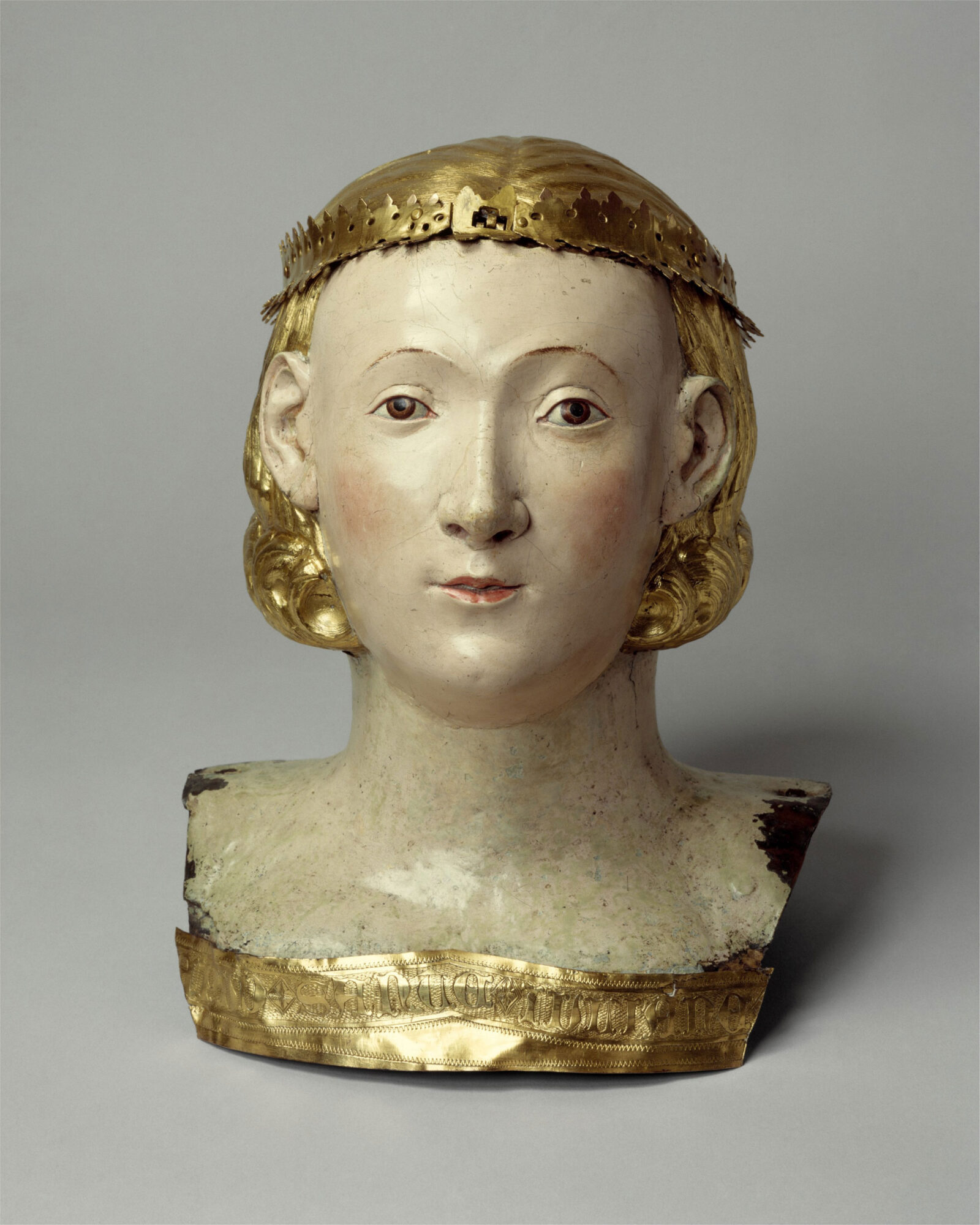
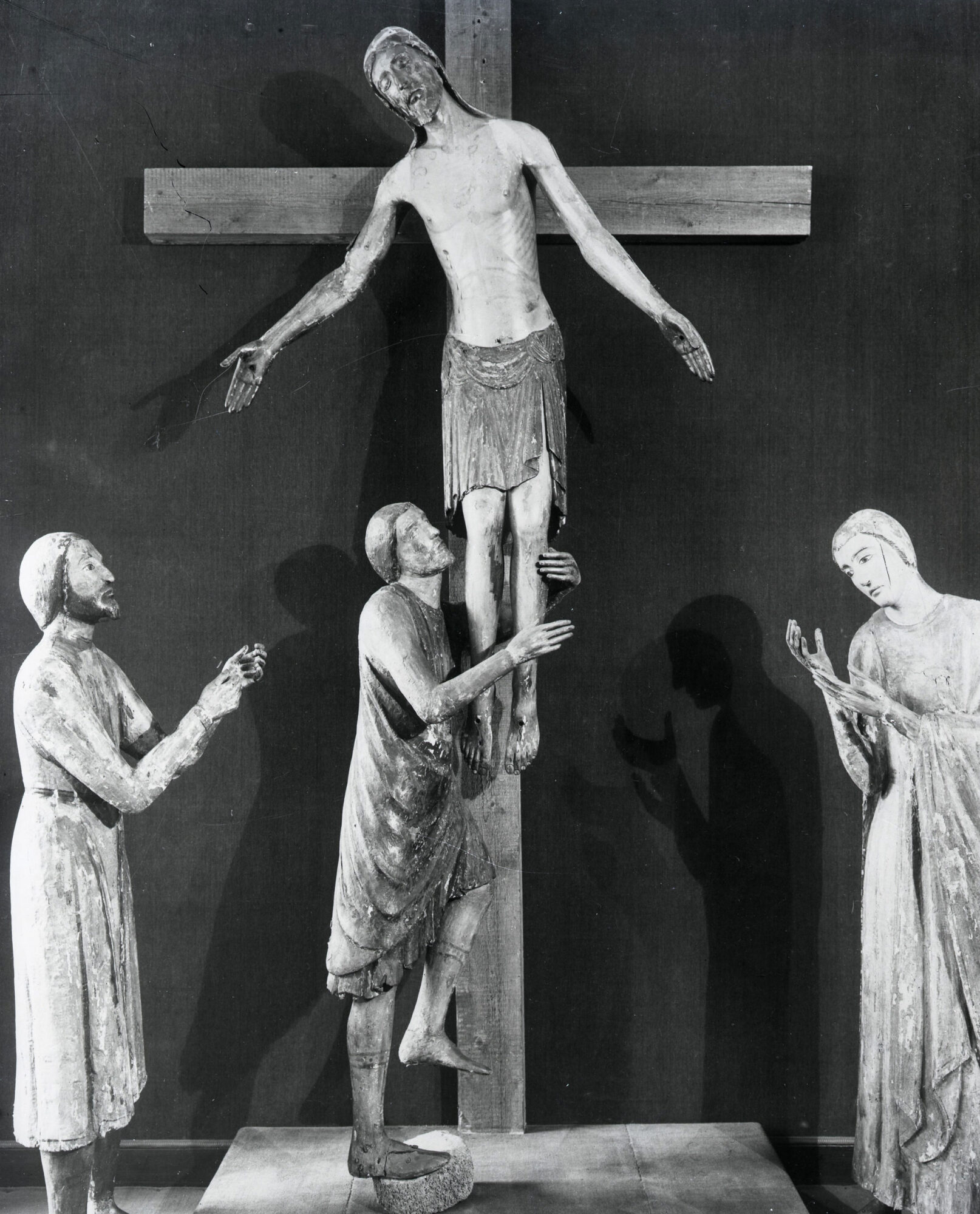
Fig.9
Reliquary Bust of Saint Juliana
Circle of Giovanni di Bartolo, Italy, circa 1376.
Acquired by the Metropolitan Museum of Art in 1961.
Fig. 10
Group of the Descendt from the Cross
Italy (Lazio ot Umbria), circa 1225–1250.
Acquired by the Musée du Louvre in 1968.
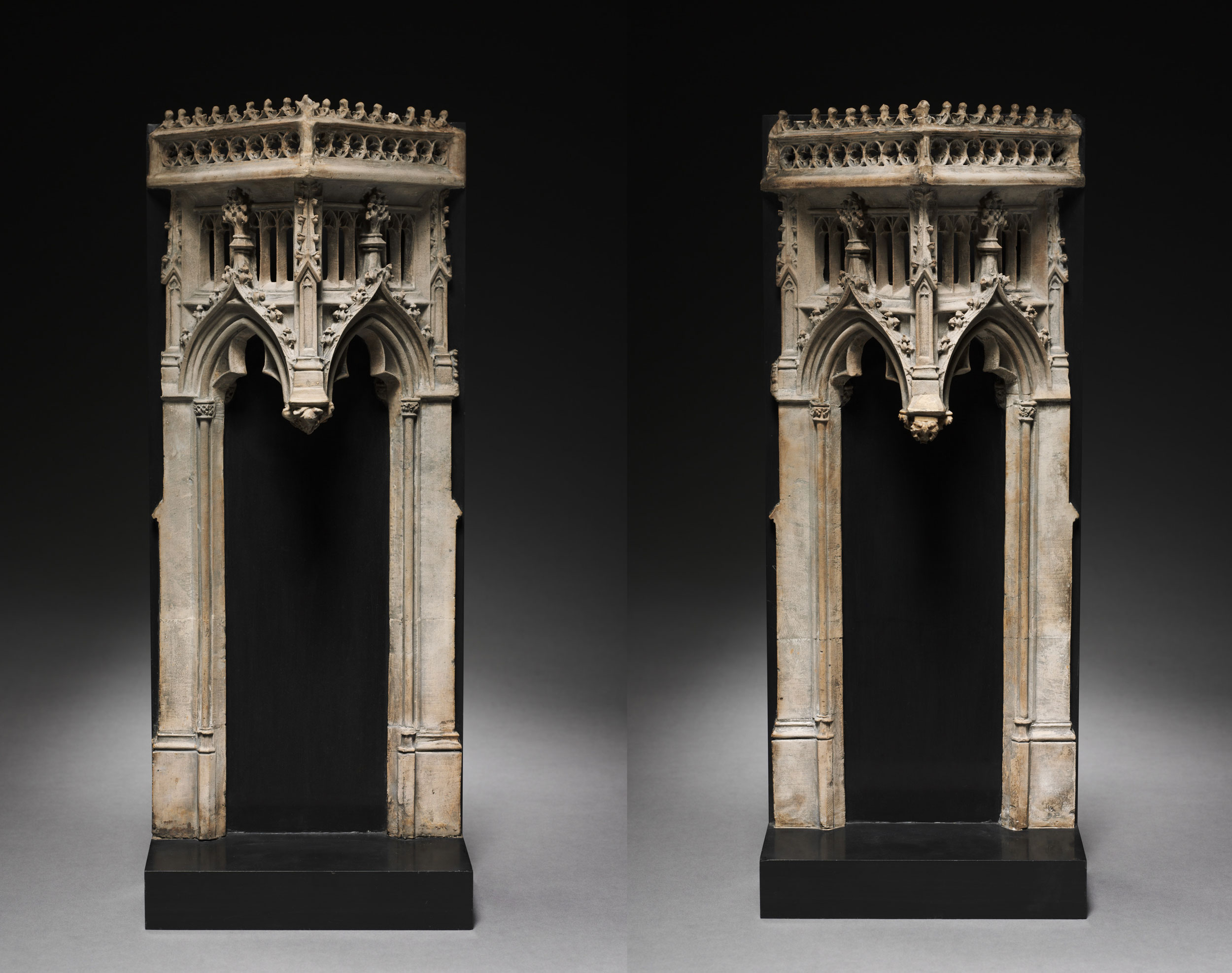
Fig. 11
Architectural Canopy (pai)
Burgundy, circa 1450–1475.
Acquired by the Cleveland Museum of Art in 1974.
From the late 1970s and mainly through the 1980s, the gallery occasionally partnered with a new associate for the acquisition of various pieces. This associate was a young antique dealer named Philippe Carlier, who was first based in the North of France, and then in Brussels. He discovers the Brimo de Laroussilhe gallery mainly through his involvement in forming the collection of Daniel Duclaux, a wealthy industrialist from the north of France who from the 1970s begins an important collection of medieval art, now preserved in Angers.
Philippe Carlier, since the 1980s, opens in Paris a gallery named Arcimboldo located in rue de Lille. The space features a mix of rare books and art history texts, illuminated manuscripts, and sculptures and works of art from the Middle Ages. Beginning in 1984, he also co-directed together with the art historian Denis Coekelberghs, the Galerie d’Arenberg in Brussels, a gallery specializing in Old Master paintings.
Lucien de Laroussilhe died in 1988, soon followed by Albert Brimo who passed away in 1990. Elza and Albert’s widow then decided to liquidate the company, as none of their children were willing to take over the antiques business. Since many artworks were held in partnership with Philippe Carlier, they offered him the opportunity to take over the Brimo de Laroussilhe company.
During this period, the gallery’s scaled-back operations were concentrated in the historic mansion on rue Jouffroy. After months of sorting and inventorying, it became necessary to leave this location, which the family wished to put up for sale and which was no longer suitable for a gallery. Since the gallery on quai Voltaire was then occupied by a modern art gallery, it is first on rue de Lille, just behind the quai, that Brimo de Laroussilhe made its return to the forefront of the scene.
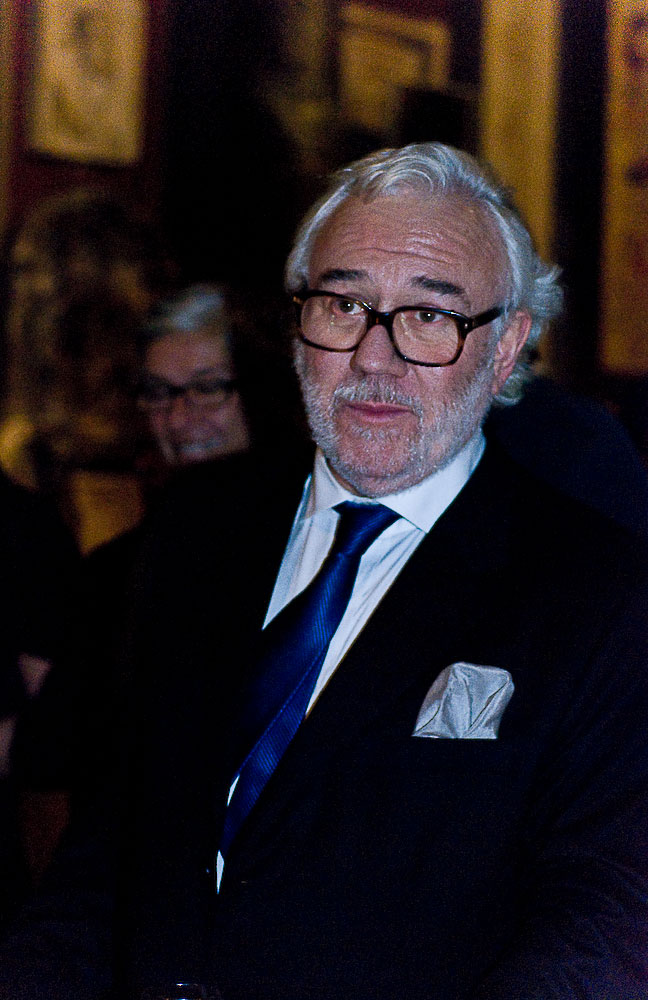
Fig. 12
Philippe Carlier in 2008
In the 1990s, under the new leadership of Philippe Carlier, the gallery resumed its full range of activities and definitively specializes in medieval art, abandoning its other areas of focus. During this period, the gallery made several sales to major museums. One may, for example, cite in 1995 the sale to the Musée du Louvre of three major works: the Mosan bronze and the three medallions, probably from Silos, coming from the former Stoclet collection (figs. 13 and 14), as well as the seated Virgin from Lorraine from the former Engel-Gros collection (fig. 15). One may also cite, in 2005, the sales made to the Metropolitan Museum of Art of an exceptional walrus ivory Christ, circa 1300, and a polychrome terracotta bust of the Virgin originating from Prague, circa 1390–1395.
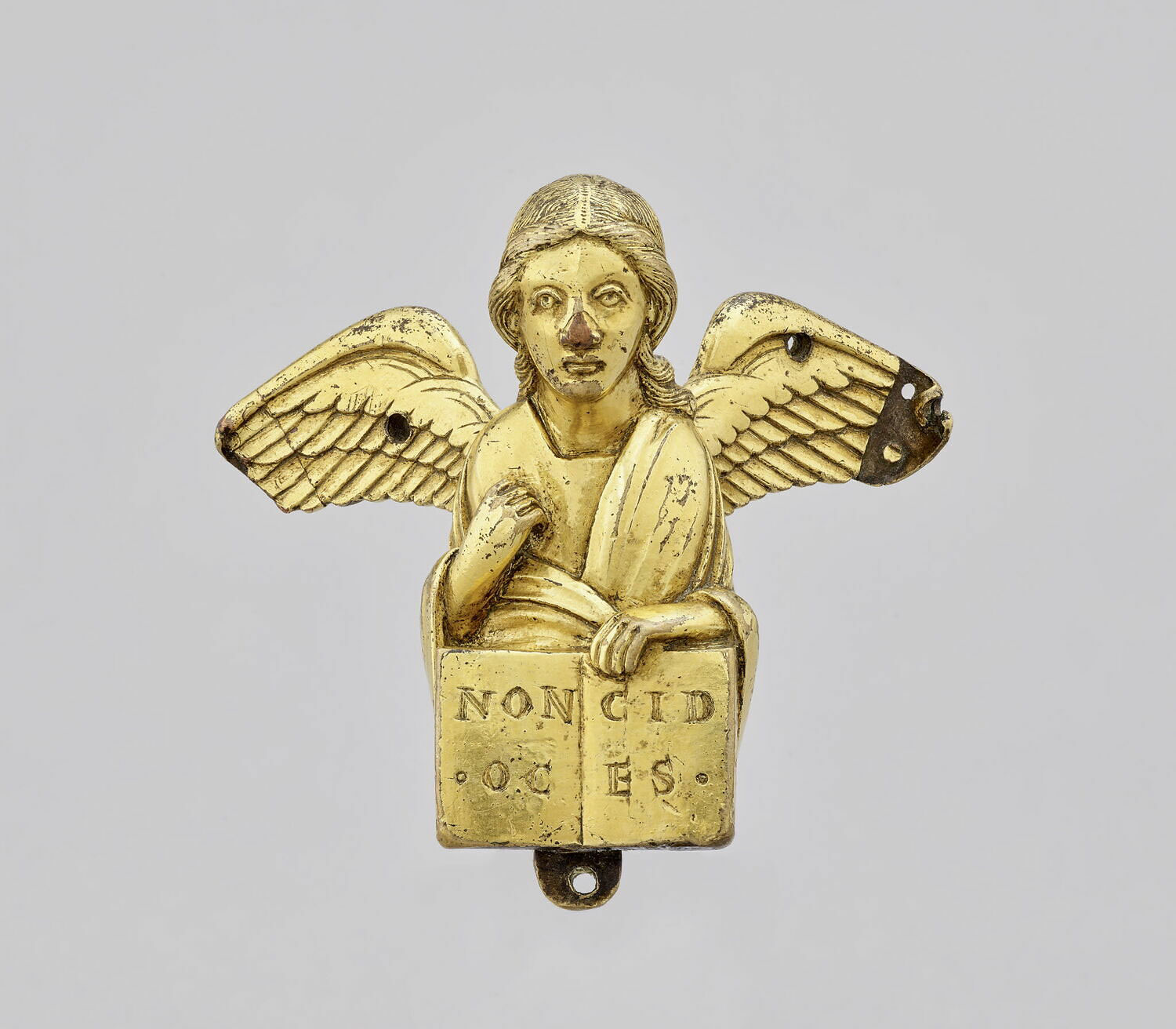
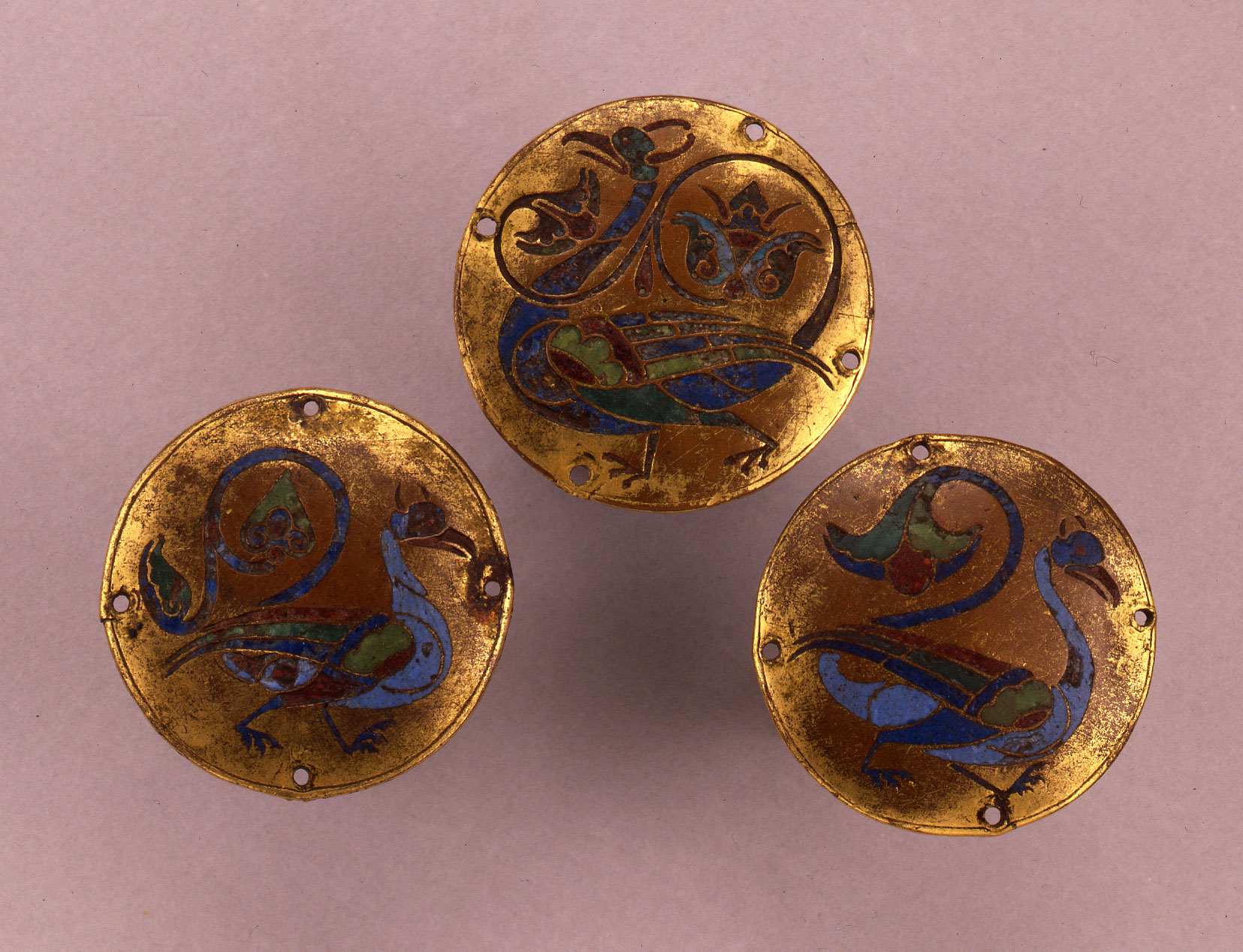
Fig. 13
Bust of an angel holding the text of the 6th commandment: “NON OCCIDES”
Meuse Valley, circa 1150–1160.
Acquired by the Musée du Louvre in 1995.
Fig. 14
Three medallions with birds decor
Silos, workshop circa 1150–1175.
Acquired by the Musée du Louvre in 1995.
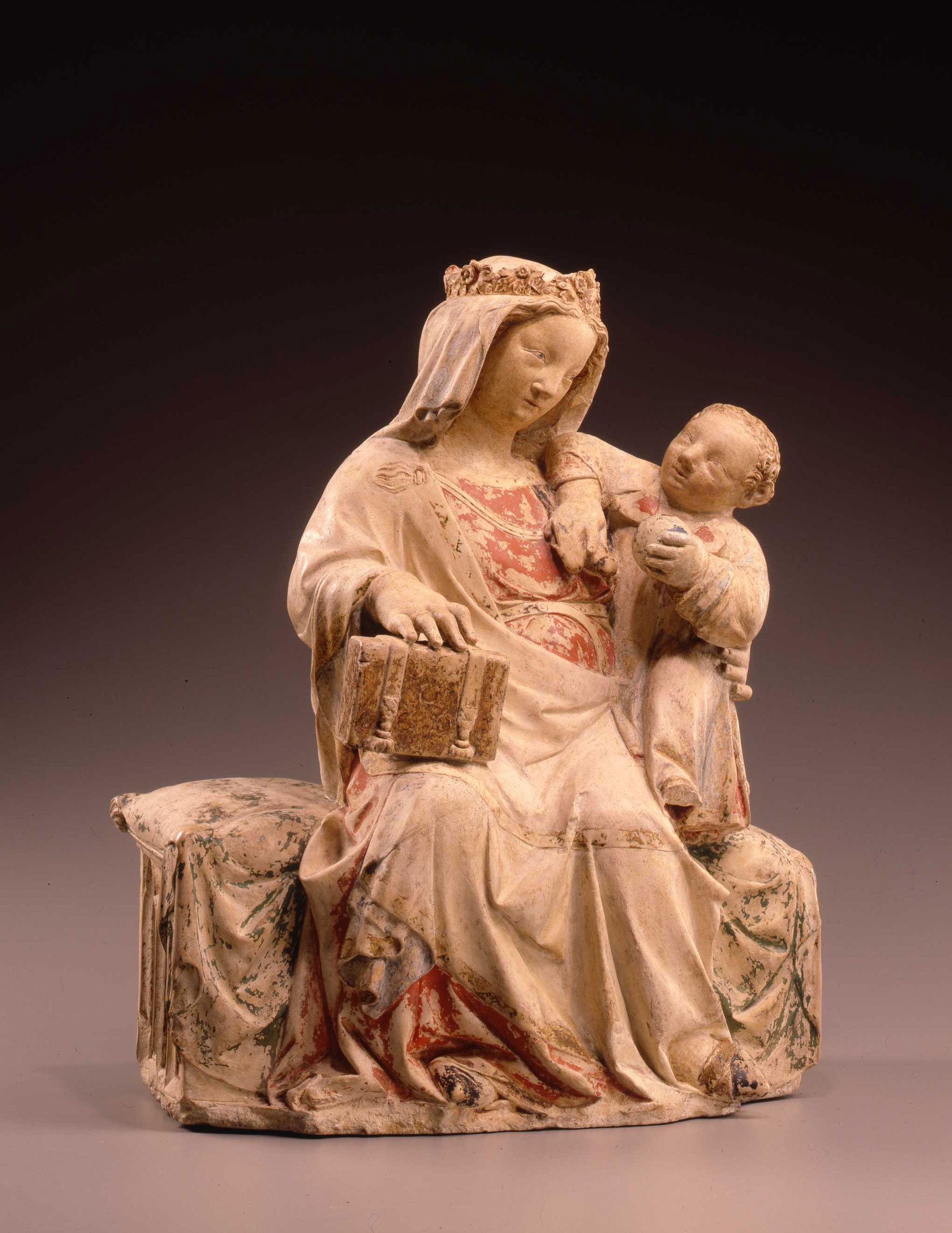
Fig. 15
Statuette of the seated Virgin Mary holding the Child
Lorraine, circa 1300–1330.
Acquired by the Musée du Louvre in 1995.
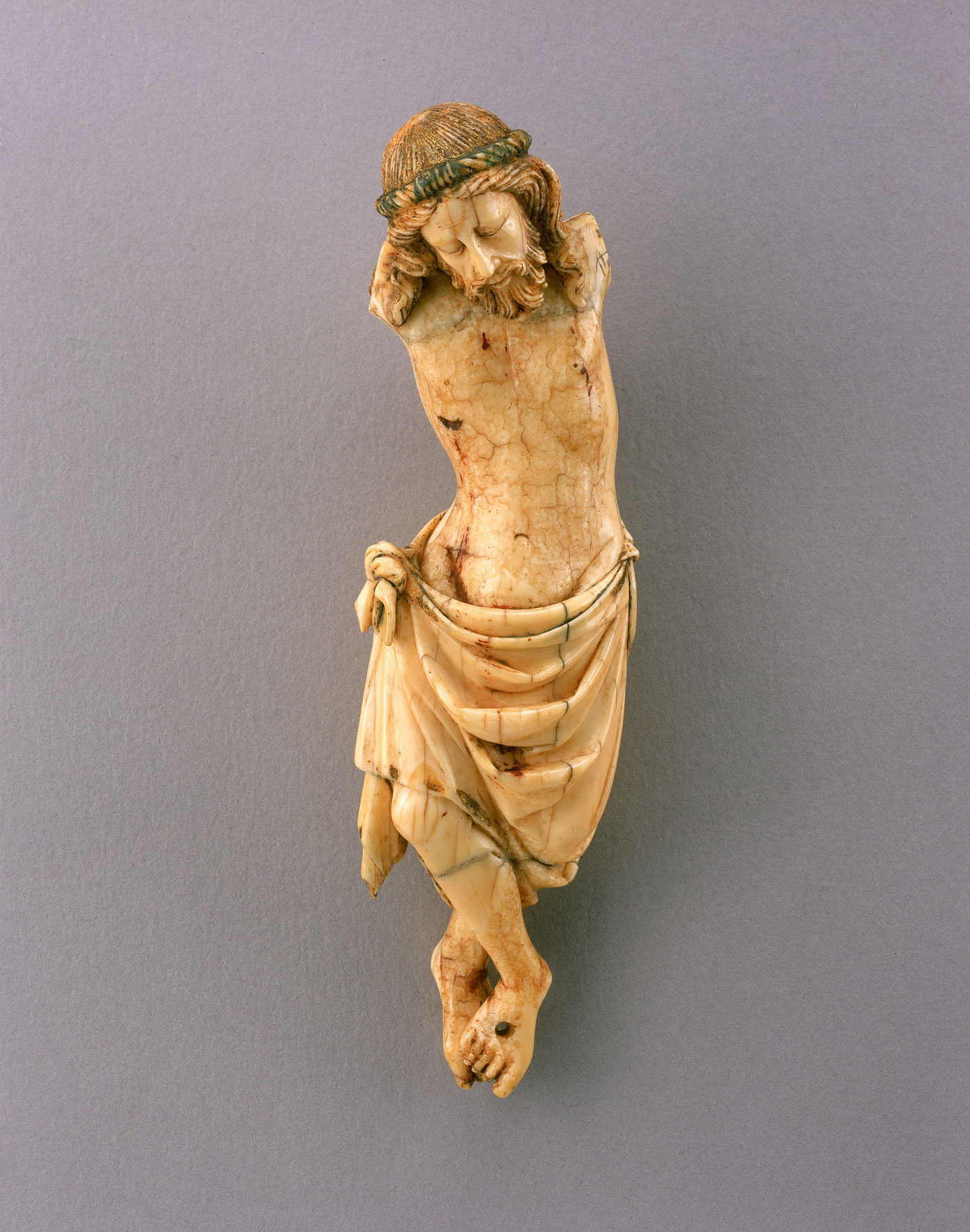
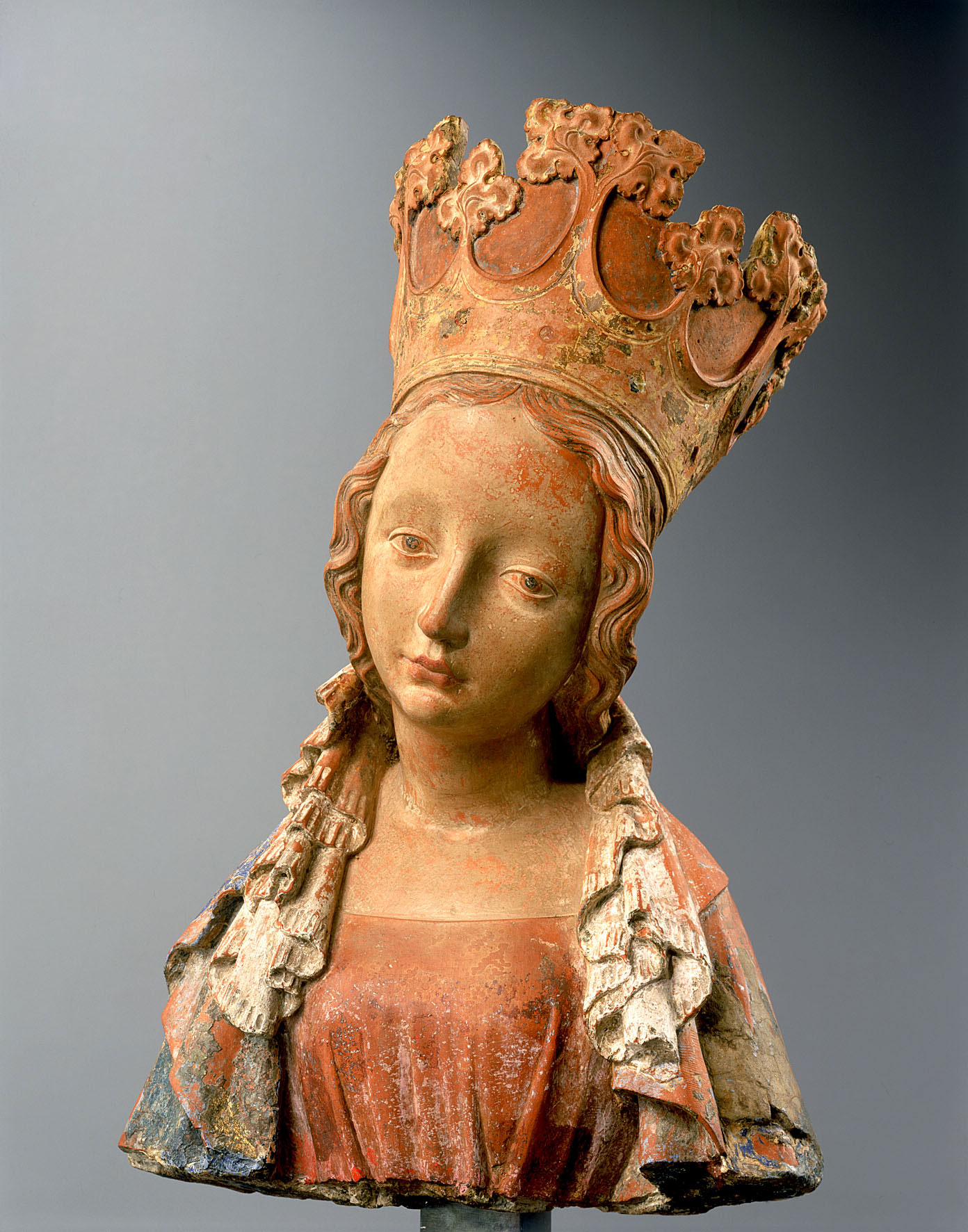
Fig. 16
Christ
Northern European, circa 1300.
Acquired by the Metropolitan Museum of Art in 2005.
Fig. 17
Bust of the Virgin
Bohemian (Prague), circa 1390–1395.
Acquired by the Metropolitan Museum of Art in 2005.
From 2002 onward, Philippe Carlier is joined by his daughter, Marie-Amélie, who was then completing her studies in History of Art. After obtaining a Master’s degree and a postgraduate diploma (DEA) in Art History, devoted to Italian Renaissance sculpture in the collections of Charles Timbal, at the Sorbonne, Marie-Amélie went on to assist her father at the gallery for almost ten years, before taking over its direction in 2010.
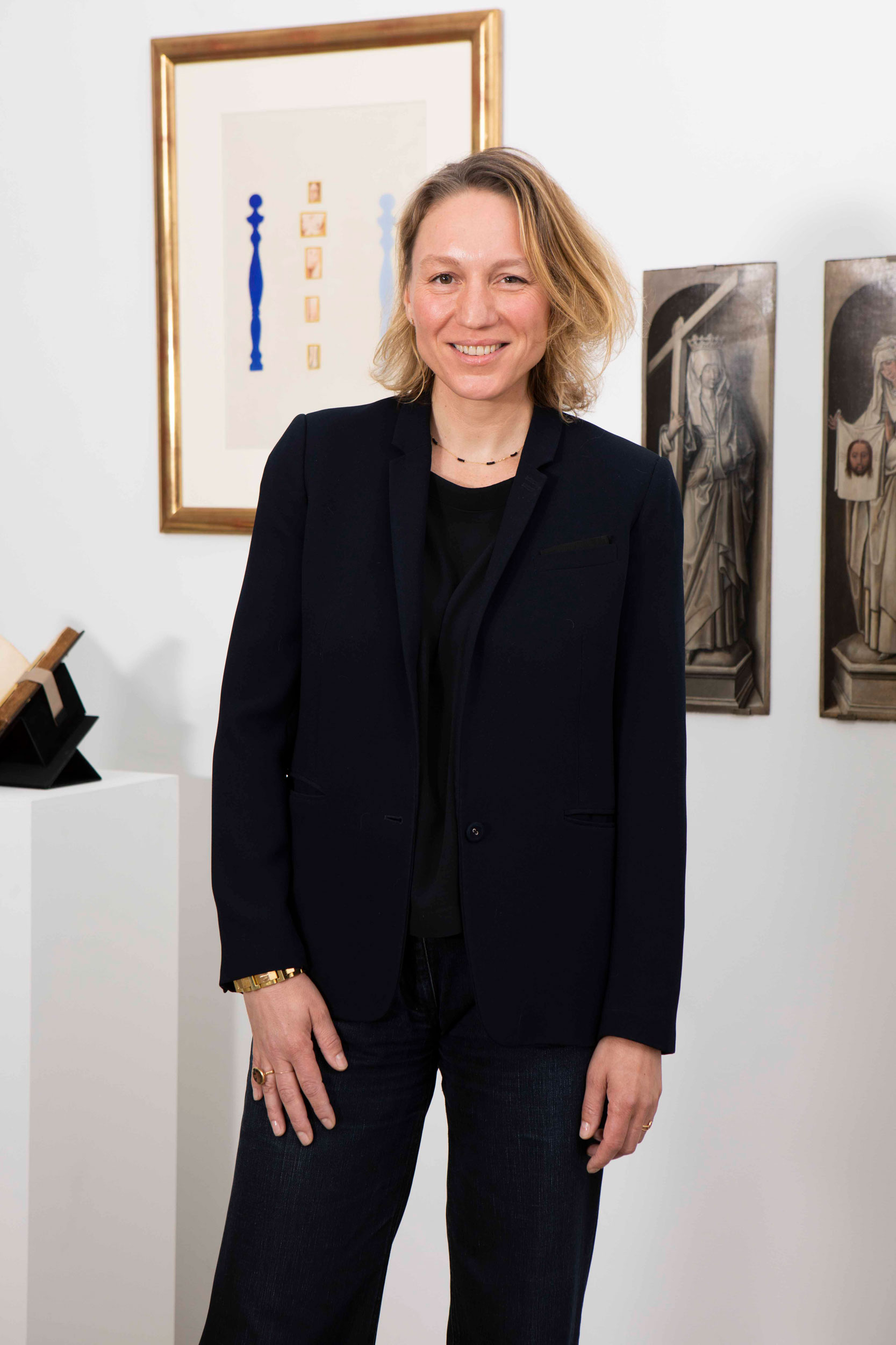
Fig. 18
Marie-Amélie Carlier
Since then, under her leadership, the gallery has continued to be part of a tradition of researching and rediscovering major pieces from the Middle Ages and the Renaissance for both private collectors and major international museums.
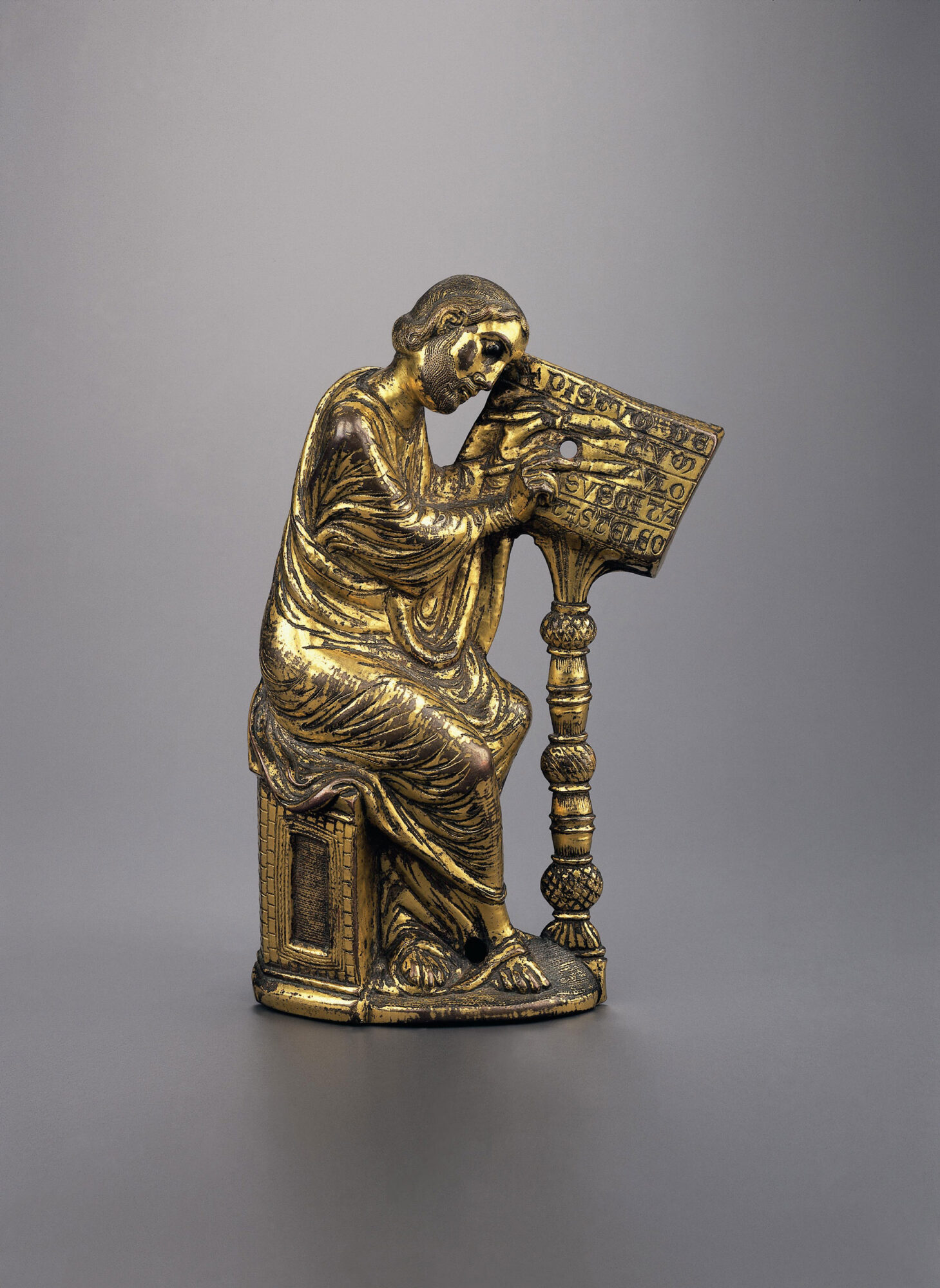
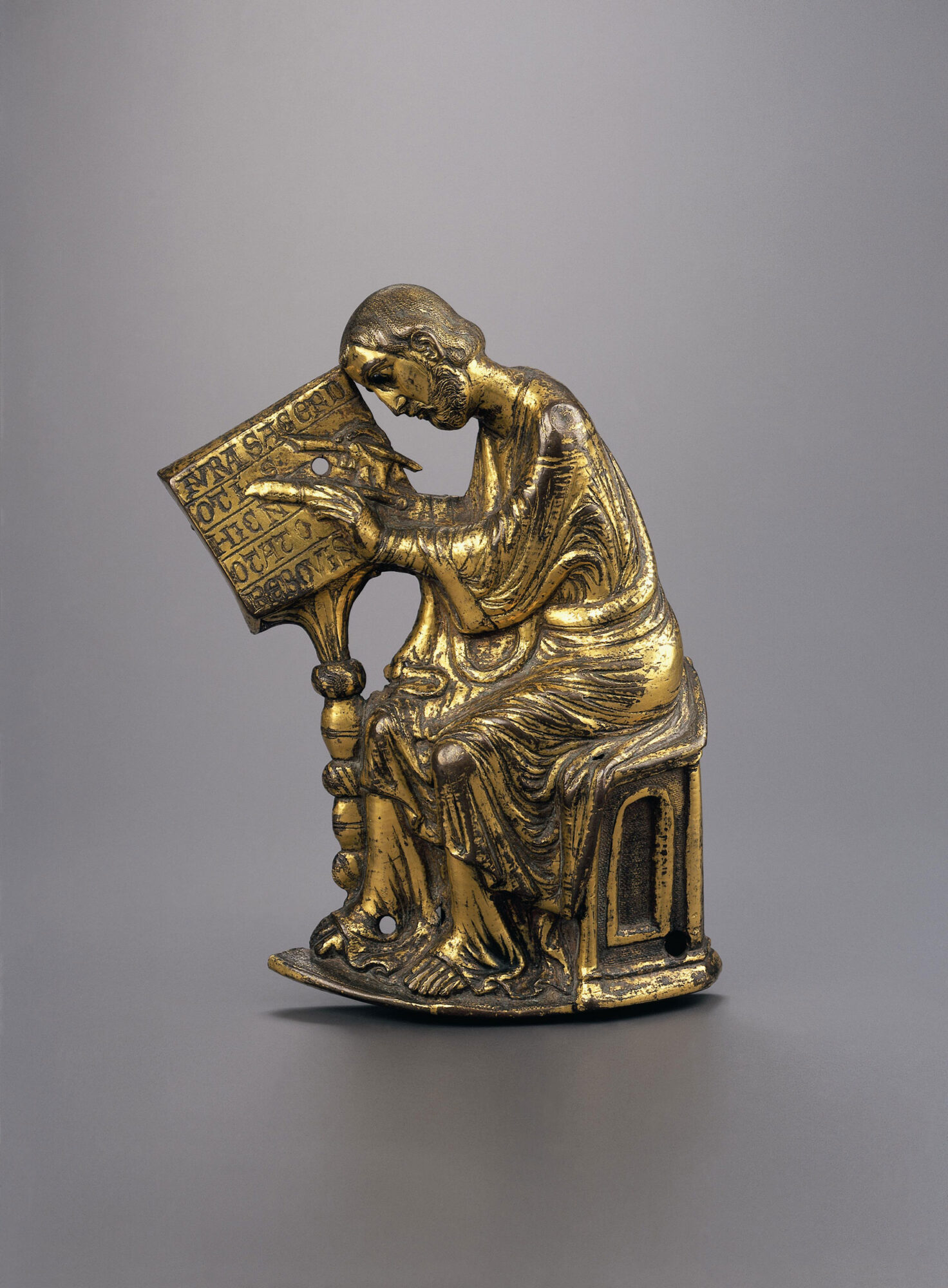
Fig. 19
Two Evangelist from the frontal of the high altar of the abbey of Grandmont
Limoges, circa 1220–1230
Acquired by the Metropolitan Museum of Art in 2012.
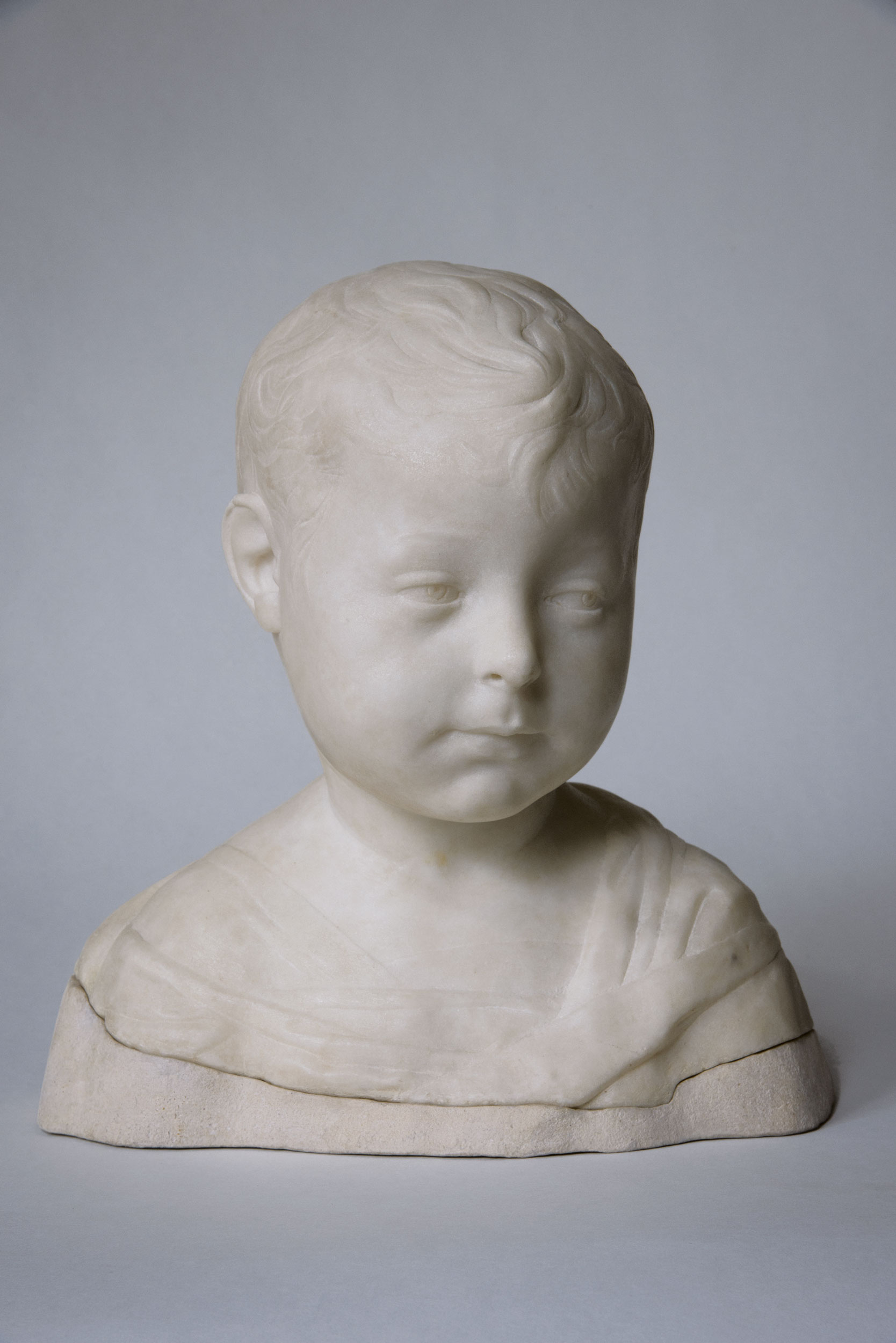
Fig. 20
Desiderio da Settignano (1428–1464)
Bust of a child
Florence, circa 1460–1464.
Acquired by the J. Paul Getty Museum in 2018.